Beware of pricks: a short guide to cynara plants
Tips & Tricks
Beware of pricks – sound advice for owners of cynara plants (and students of the wider world). But there's something else to look out for: cardoons, to give them their proper name, are related to the artichoke, think of them as cousins, the closeness of the relationship shown by their Latin names, cynara cardunculus and cynara scolymus respectively.

Can you eat cynaras?
With artichokes you get the added bonus of being able to eat them – they taste their best when immature. Cardoons can also be eaten – the Victorians couldn't get enough of them, growing them as vegetables and blanching them for use like celery – but these days most people think they are too much like hard work. The stems have to be blanched in September for at least four or five weeks, and then tying rough cloth, cardboard or bin bags around the stems before you can even think about eating them.
How to grow cynaras
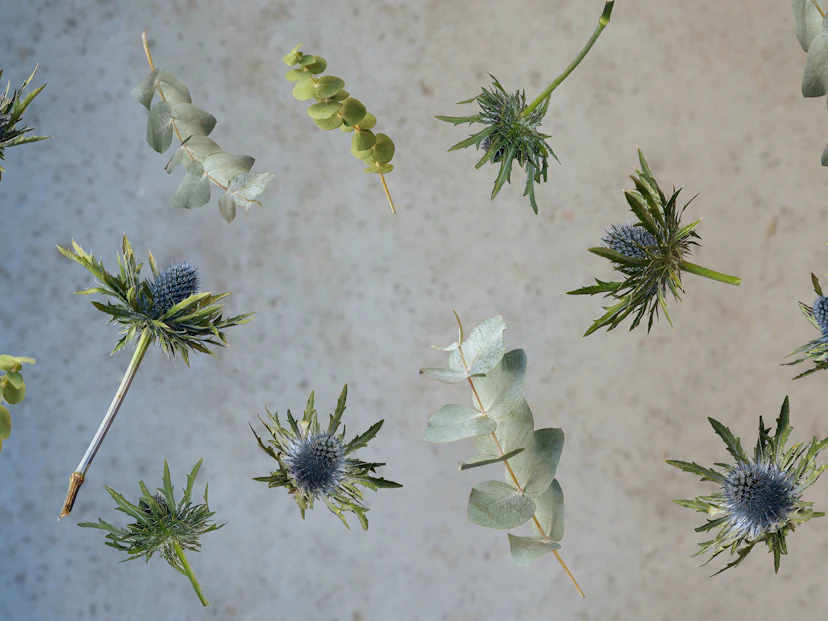
Nowadays the cynara cardunculus is grown for the beauty of its foliage alone. But they are thirsty, hungry plants so ensure full sun and fertile soil. In summer, the buds finally open into large purple thistle flowers which attract masses of bees. They make dramatic cut flowers, too: just look at those decorative silvery toothed leaves and large thistles (those pricks we were talking about).
Interested in in your own Cyararas, browse our plant collection.